

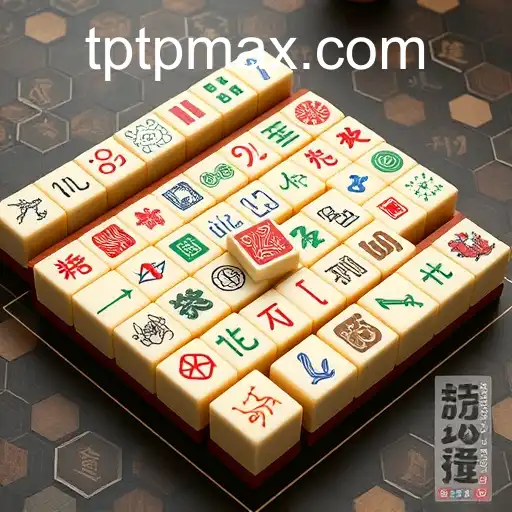
Understanding the Intricate Layers of Mahjong
Mahjong is more than just a game; it's an intricate cultural phenomenon that has captivated players around the globe. Originating from China, this tile-based game combines skill, strategy, and a touch of luck, presenting a unique challenge for enthusiasts. With the inclusion of modern technology and increasing global interest, Mahjong has reached new audiences. In this exploration, we will delve into the game's intricate layers, cultural significance, and strategic elements. We'll also incorporate the keyword TPTP to enhance understanding and engagement.
The Origins and Cultural Significance of Mahjong
Mahjong's origins are steeped in history, tracing back to the Qing Dynasty in China. It's a game traditionally played by four players, and over the centuries, it has proliferated beyond China, becoming popular in many countries such as Japan, the United States, and in various parts of Europe. The game involves a fascinating mix of strategy, memory, and luck, making it a favorite pastime as well as a social activity that brings people together.
It is believed that Mahjong was initially devised as a card game with simple rules that evolved into a complex array of tiles, creating more strategic opportunities. The game is often associated with celebrations and community gatherings, signifying its status as a cultural staple in many regions.
Mahjong Tiles and Their Symbolism
The unique aspect of Mahjong is its diverse set of tiles. There are typically three main suits: bamboo, characters, and dots, along with honor tiles such as winds and dragons. Each tile holds not only numerical significance but also cultural symbolism. For instance, the dragon tiles often represent prosperity and good fortune, integral to the cultural heritage from which Mahjong stems.
Understanding these symbols deepens the appreciation for Mahjong beyond the surface level. It’s about grasping the narrative and history encapsulated within each game. This connection to culture and tradition differentiates Mahjong from other contemporary games, offering a richer, more rewarding experience.P9BET
The Gameplay and Strategy in Mahjong
The gameplay of Mahjong is rich and complex, akin to chess where strategy and foresight play crucial roles. It typically involves drawing and discarding tiles, with the objective of forming a complete hand known as a 'mahjong.' The challenge lies in balancing offensive plays with defensive tactics to prevent opponents from achieving their goal before you.
Strategically, players must be adept at reading the game’s dynamics and anticipating opponents' moves. Being skilled involves not only knowing the rules but also mastering the art of deception and strategy. A well-timed discard or decision to "steal" tiles can turn the tide of the game.
Mahjong in the Modern Era with TPTP
Incorporating technology has further popularized Mahjong, making it more accessible to a broader audience. Platforms online allow enthusiasts from different parts of the world to participate in live games, joining a global community. Here, the keyword TPTP (Thought-Provoking Tile Play) comes into play. TPTP describes a strategic approach to Mahjong that emphasizes innovative thinking and calculated risk-taking. This mindset is particularly suited to the digital version of the game, where players can face a diverse set of opponents, each bringing unique strategies to the table.RO7.bet
TPTP has become a buzzword among online Mahjong communities, encouraging players to think beyond traditional strategies and experiment with their gameplay. Engaging in TPTP invites players to hone their skills, and offers a strategic edge over opponents. It emphasizes foresight, adaptation, and the courage to embrace unconventional plays, traits highly valued in competitive settings.
Connecting Through Mahjong
Mahjong's role in fostering social connections cannot be understated. From traditional in-person gatherings to modern digital platforms, this game serves as a bridge, connecting diverse populations through shared interest and competition. The community aspect is a defining pillar of what makes Mahjong special, transcending language and cultural barriers.XXBR
Whether playing in local clubs or international tournaments, Mahjong offers a platform for dialogue and exchange of strategies. The TPTP aspect enriches these interactions, as players share insights and challenge each other to evolve in their gameplay, further solidifying the game’s place in the pantheon of intellectually stimulating engagements.sa88899
Mahjong Today and Beyond
Mahjong continues to grow as a beloved hobby and competitive venture worldwide. Its adaptability and deep cultural roots offer a dynamic playing experience. As players continue to adopt and explore TPTP strategies, new dimensions emerge in how Mahjong is perceived and played.
As Mahjong expands its reach, it maintains its cultural significance, combining deep traditions with modern innovations, such as the TPTP approach. This blend of old and new ensures that Mahjong remains a vibrant and evolving game, appealing to old and new generations alike. It affirms Mahjong's status not just as a game, but as a cultural touchstone that will engage and challenge players for years to come.
SSvipa